

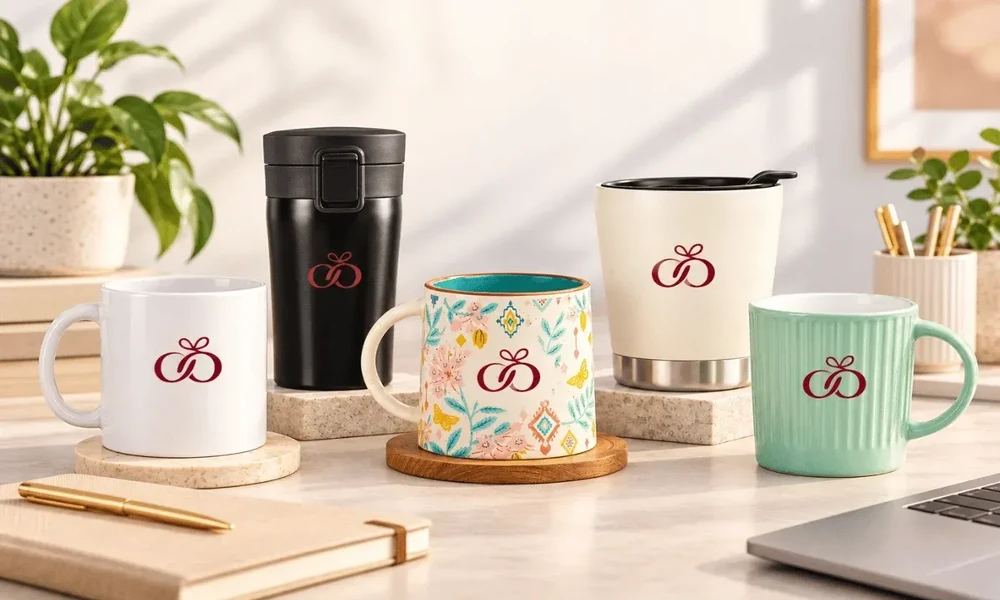
A tote bag handed out at a trade show changes hands in seconds and may stay in use for years. Every time its stitching gives way or its print peels, the logo goes down with it. That long afterlife is why promotional products procurement deserves more care than a purchase order alone suggests: the item keeps speaking for the brand long after the campaign budget has closed.
Why does a cheap item end up costing more?
Because its failures are public and branded. A pen that leaks or a mug whose print fades after a few washes doesn’t reflect on an anonymous factory. It reflects on the company whose name is printed on it. UCT (Asia), a Bangkok-based procurement company, makes the same point about pricing: a low unit cost stops being a bargain once the products fail quality checks or miss delivery dates.
Quality Is Settled at the Sample
The last practical chance to protect the brand comes before production, not after. UCT’s guidance is to approve a physical or pre-production sample, then check materials, measurements, colours, logo placement, print quality and packing against the written specification. Approvals should be recorded in writing so the factory produces exactly what was agreed and nothing open to interpretation.
How long should a promotional item last?
As long as the audience will actually use it. A festival giveaway and an executive client gift serve different lives, and the materials should match. In promotional products procurement, durability is a brand decision as much as a materials one: an item built to last is seen hundreds of times, while one that breaks quickly becomes waste with a logo on it. Where suppliers make sustainability claims, UCT recommends asking for evidence rather than taking labels on trust.
The Factory Behind the Logo
Supplier checks deserve the same scepticism. UCT notes that a Sedex membership, a SMETA audit and an SA8000 certification are not equivalent, and each covers a different scope. A certification logo on a sales sheet says less than a clear answer about which facility, which product and which standard it applies to.
What does a procurement partner change?
Mainly, it puts one party in charge of the stages where things go wrong. UCT (Asia) works from Bangkok with offices in China, Hong Kong, the Philippines, Vietnam, Indonesia and Malaysia. It covers product design, sourcing, manufacturing coordination, quality inspection, warehousing and logistics for sectors ranging from hospitality to consumer goods. When one partner coordinates those stages, problems are more likely to be caught at the sample rather than in the recipient’s hands.
A campaign ends on a date set in the plan. The merchandise has no end date, and every year it stays in use, it keeps advertising.