

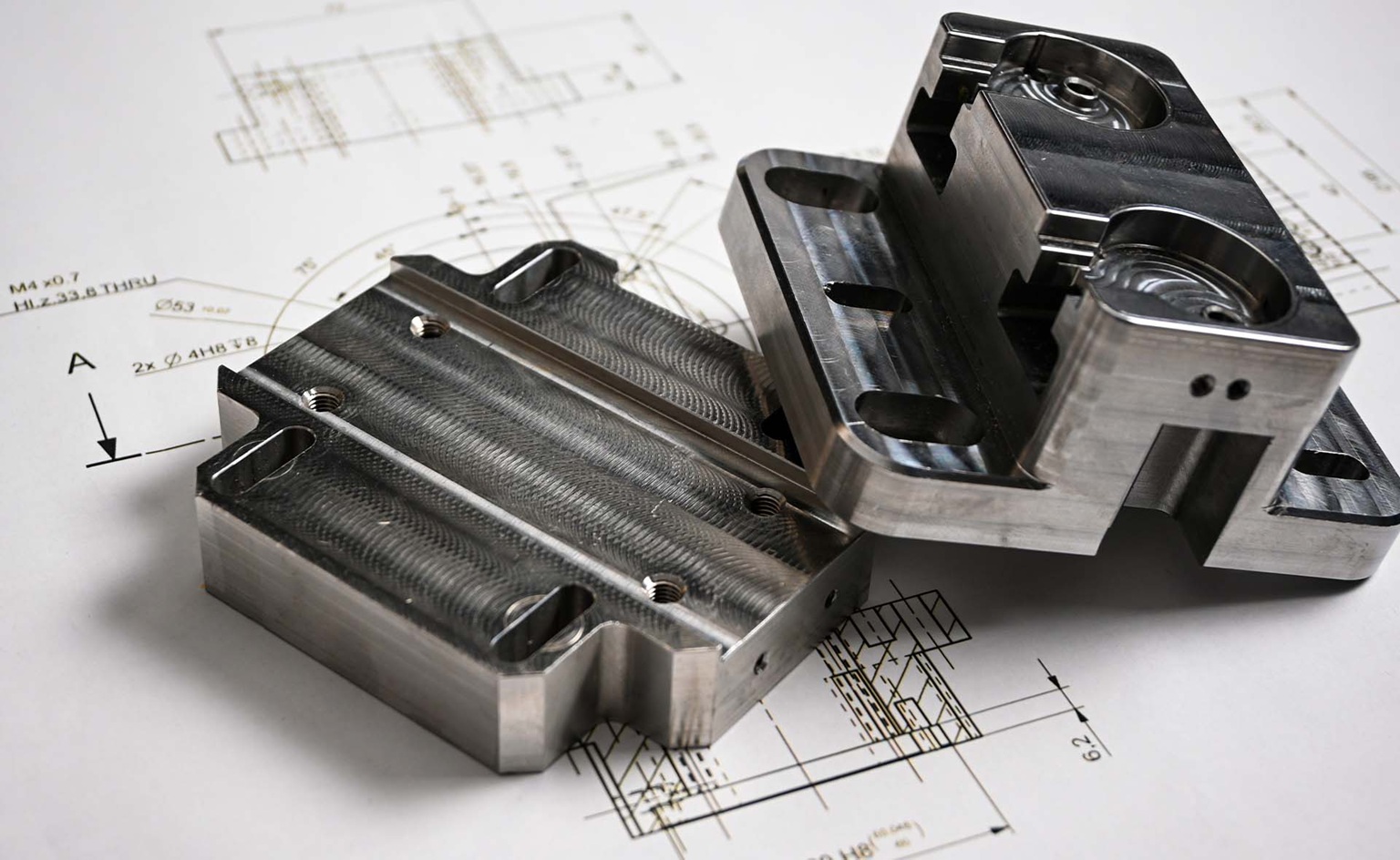
Metal injection molding stands as a testament to human ingenuity in solving industrial riddles that had confounded manufacturers for generations. The challenge was deceptively straightforward: how to produce small metal components with intricate geometries that conventional machining found prohibitively expensive and traditional casting deemed impossible. The solution, when it arrived in the late twentieth century, borrowed liberally from the plastics industry whilst respecting the fundamental properties of metals. What emerged was a hybrid process that has since transformed sectors ranging from medical devices to aerospace engineering, proving once again that progress often arrives not through wholly original inventions but through the clever recombination of existing knowledge.
The Historical Context
Understanding Metal injection molding requires appreciating the limitations it sought to overcome. Traditional machining, whilst capable of remarkable precision, operates through subtraction. A block of metal is cut, drilled, and ground until the desired shape emerges. For complex geometries, this approach generates substantial waste and demands extensive machining time. Casting, the ancient alternative, struggles with fine details and thin walls. Powder metallurgy, though closer in principle, could not achieve the density or complexity that modern applications demanded.
The breakthrough came when researchers recognised that metal powders, when combined with appropriate binders, could mimic the flow characteristics of thermoplastics. This observation, made in research laboratories during the 1970s, took years to translate into reliable commercial processes. Early practitioners grappled with inconsistent results, unexpected distortions, and material properties that fell short of requirements. Persistence, however, gradually yielded solutions.
The Manufacturing Journey
Metal injection molding unfolds across four distinct phases, each presenting its own technical demands. The process begins with feedstock preparation, where metal powders of exacting specifications are blended with polymer binders in precise ratios. The mixture must achieve homogeneity at the microscopic level, for any inconsistency will manifest as defects in the finished component.
Injection follows familiar patterns to anyone acquainted with plastic moulding. The feedstock is heated until it flows readily, then forced under pressure into steel moulds machined to tolerances measured in microns. The components that emerge, termed green parts in industry parlance, contain roughly forty per cent binder by volume. They possess the shape of the final component but lack its strength and density.
Debinding represents perhaps the most delicate phase. The polymer binder must be removed without disturbing the arrangement of metal particles. Various methods exist: solvent debinding dissolves specific binder components, thermal debinding drives off volatiles through controlled heating, catalytic debinding employs chemical reactions. Singapore’s Metal injection molding sector has pioneered combinations of these approaches, achieving debinding cycles that balance speed with reliability.
Sintering completes the transformation. In furnaces maintained at carefully controlled temperatures and atmospheres, the metal particles fuse together in solid-state diffusion. The component shrinks substantially, typically fifteen to twenty per cent linearly, whilst becoming fully dense metal with properties that match or exceed those of wrought materials.
Material Palette and Performance Characteristics
The range of materials amenable to Metal injection molding has expanded considerably since the technology’s inception:
- Stainless steel alloys including 316L and 17-4PH for corrosion resistance
- Tool steels such as M2 and H13 for wear-resistant applications
- Low-alloy steels offering cost advantages for structural components
- Titanium alloys prized in medical and aerospace applications
- Tungsten-based materials for radiation shielding and ballast weights
- Soft magnetic alloys for electrical and electronic applications
Each material presents distinct challenges. Titanium’s reactivity demands carefully controlled sintering atmospheres. Tungsten’s extreme density requires modified feedstock formulations. Stainless steels, though more forgiving, still demand attention to detail throughout processing.
Design Considerations and Geometric Freedom
Metal injection molding liberates designers from many constraints imposed by conventional metalworking. Features that would require multiple operations in machining can be moulded directly. Undercuts, cross-holes, and complex contours that confound traditional methods emerge naturally from the process. This geometric freedom has enabled component consolidation, where assemblies of multiple parts give way to single moulded components.
Yet the process imposes its own requirements. Wall thickness should remain relatively uniform to ensure consistent shrinkage. Draft angles, though smaller than casting requires, still facilitate part ejection. Sharp corners concentrate stresses and may crack during sintering. Experienced practitioners understand these constraints intuitively, having learned through the accumulated wisdom that comes only from producing thousands of components.
Economic and Production Considerations
The economics of Metal injection molding reveal both opportunities and limitations. Tooling costs, whilst substantial, pale beside those for die casting. Production rates, though slower than stamping, exceed conventional machining by orders of magnitude. The optimal production volume typically begins around 5,000 components annually, though this threshold varies with part complexity and material selection.
Singapore’s Metal injection molding manufacturers have demonstrated particular expertise in serving global markets from their compact facilities. Operating in an economy where land and labour command premium prices, they have survived through technical excellence and process optimisation rather than cost competition. Their success illustrates an enduring truth: in manufacturing as in human endeavour, quality and reliability ultimately triumph over mere cheapness.
Quality Systems and Verification
The multi-stage nature of Metal injection molding demands comprehensive quality assurance. Statistical process control monitors feedstock properties, injection parameters, debinding profiles, and sintering conditions. Dimensional verification confirms that shrinkage proceeded uniformly. Metallographic examination reveals grain structure and density. Mechanical testing validates strength and ductility.
Modern facilities employ automation not to replace human judgment but to amplify it. Sensors provide data that human senses cannot perceive. Software detects patterns that might escape individual notice. Yet skilled technicians remain essential, for they interpret results within context and recognise anomalies that algorithms might overlook.
The future of Metal injection molding appears secure, grounded in capabilities that alternative processes cannot easily replicate. As products grow smaller and more complex, as performance requirements become more demanding, the technology’s ability to produce intricate metal components with precision and consistency ensures its continuing relevance to industries that depend upon Metal injection molding.