

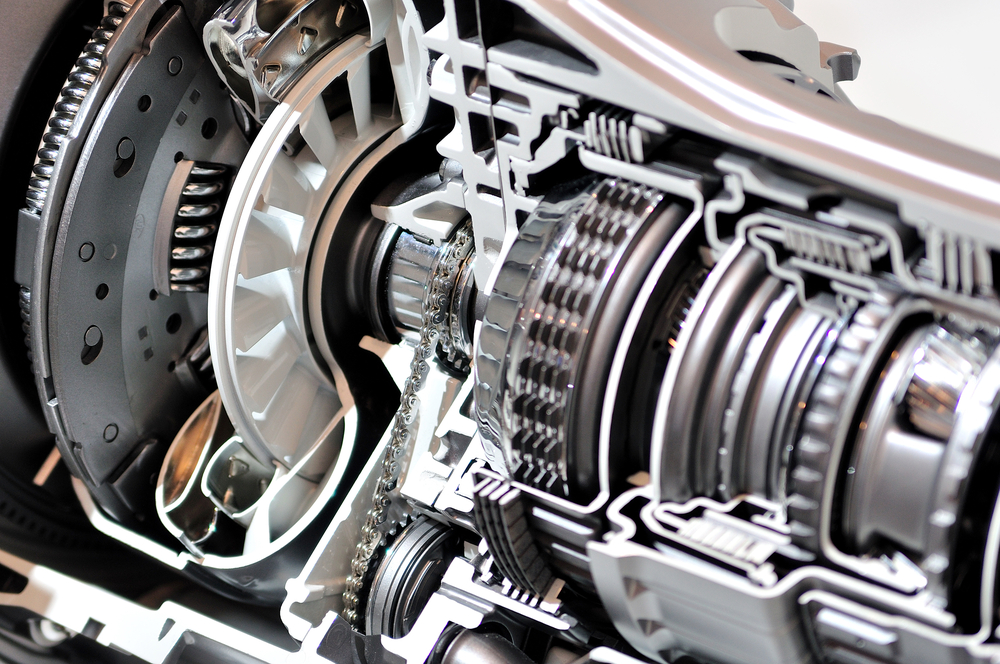
Your transmission is one of the most important—and often overlooked—components in your vehicle. Responsible for transferring power from the engine to the wheels, the transmission plays a vital role in how smoothly and efficiently your car drives. When a transmission begins to fail, it can lead to costly repairs or even total replacement. Being aware of the signs of transmission trouble, understanding maintenance intervals, and knowing when to get help can save you time, money, and stress in the long run.
This blog explains common transmission issues, early warning signs, maintenance best practices, and when it may be time to bring your vehicle to a trusted shop.
What the Transmission Does — and Why It Matters
The transmission (whether manual or automatic) controls the gears that determine your vehicle’s speed and power. Without a properly functioning transmission, you risk:
- Slipping gears or unpredictable shifts
- Reduced fuel efficiency
- Increased wear on engine and drivetrain
- Complete loss of drive — leaving you stranded
Because the transmission handles high levels of torque and complex mechanical interactions, even minor wear or fluid contamination can quickly escalate into serious problems.
Common Causes of Transmission Failure
Several factors can lead to transmission problems. Knowing these causes helps drivers take preventive steps.
1. Lack of Regular Maintenance
Transmission fluid degrades over time. Without periodic fluid changes, heat and friction can cause internal damage.
2. Overheating
Driving in heavy traffic, towing, or steep mountain terrain can overheat the transmission — damaging seals, clutches, and gears.
3. Wear and Tear Over Time
Just like an engine, several hundred thousand miles can cause natural wear. High-mileage vehicles are more prone to slipping, grinding, or rough shifts.
4. Leaks and Contamination
Damaged seals or gaskets can lead to fluid leaks. Dirt, debris, or degraded fluid compromises lubrication and cooling.
5. Aggressive Driving Habits
Sudden acceleration, ‘fast shifting,’ heavy towing, or stop‑and‑go driving puts extra stress on transmission components. If transmission issues make your vehicle unsafe or impractical to drive long distances, arranging professional transport through https://www.shiply.com/us/car-shipping/new-york-car-shipping can be a safer and more cost-effective alternative than risking further mechanical damage.
Early Warning Signs of Transmission Trouble
Catching transmission problems early can prevent complete failure and expensive repairs. Watch for these warning signs:
- Delayed or Rough Shifting: Slipping gears, jolting transitions, or hesitation when shifting may signal worn clutches or low/contaminated fluid.
- Burning Smell: Overheated or burnt transmission fluid often smells sweet or pungent; this indicates internal overheating or friction.
- Unusual Noises: Whining, clunking, or humming sounds — especially when shifting — could point to damaged bearings or gears.
- Fluid Leaks: Bright red or dark fluid pooling under the vehicle indicates leaks; driving with low fluid damages transmission internals.
- Warning Lights: Modern cars often trigger “Check Engine” or “Transmission” warnings at early stages of malfunction.
- Grinding (manual transmissions): Difficulty engaging gears or grinding sounds when shifting often indicate worn synchros or clutch issues.
If you notice one or more of these symptoms — especially worsening over time — it’s time to seek expert assessment.
Transmission Maintenance: What You Should & When
Regular maintenance is the best defense against transmission problems. While specific intervals vary by vehicle and usage, general recommendations include:
- Fluid & Filter Change: Many automatics benefit from a fluid (and often filter) change every 30,000–60,000 miles, or sooner under heavy use (towing, mountainous terrain).
- Inspect Seals & Gaskets: During oil changes or regular service visits, ask your mechanic to check for leaks. Early resealing prevents fluid loss and contamination.
- Cooling System Checks: Ensure your radiator, transmission cooler, and cooling fans operate correctly — overheating frequently causes transmission damage.
- Driving Habits: Avoid aggressive starts/stops, avoid carrying excessive loads, and shift smoothly, especially with manuals.
- Preemptive Inspection: If you plan on towing, long highway trips, or mountainous driving, schedule a transmission check first.
Regular maintenance may not guarantee the transmission lasts forever — but it massively increases its lifespan and reliability.
When Replacement Becomes the Best Option
In some cases, repairing the transmission may not be sufficient. Consider replacement if:
- Internal damage is extensive (worn gears, clutches, or torque converter)
- Leaks and fluid loss cause recurring failures
- Repeated failures occur even after repairs — often indicating deeper issues
- The vehicle has very high mileage and repair costs approach or exceed vehicle value
A replacement transmission — rebuilt or remanufactured — can restore proper function and often comes with a warranty.
Why You Need Expert Transmission Service
Because transmissions are complex assemblies involving hydraulics, electronics, clutch/gear systems, and precise machining tolerances, fixing or replacing them isn’t a DIY‑friendly job. Professional shops offer:
- Accurate diagnostics (computer scanning + road testing)
- Specialized tools and lifting equipment to access transmission housing
- Clean rooms and proper assembly techniques for rebuilds
- Warranty coverage and proper disposal of old fluids and parts
For drivers in mountainous or demanding terrain who depend on vehicle reliability, a professional shop is the safest bet.
How to Choose the Right Transmission Service Shop
When choosing a shop for transmission care, consider:
- Experience and specialty: Transmission work — especially rebuilds — is different from simple brake or oil services.
- Certifications and warranties: Shops that stand behind their work offer better long‑term value.
- Good diagnostics equipment: Modern transmissions require electronic diagnostics and road‑test verification.
- Clear communication and honest advice: Transparency about what needs repair vs. what can wait.
- Respect for environmental regulations: Proper fluid disposal and recycling is a sign of professionalism.
Working with a reputable shop ensures your vehicle receives safe, reliable care — reducing chances of repeat failures.
Final Thoughts
Your vehicle’s transmission is critical to safe, efficient driving. Understanding common problems, staying alert to warning signs, and adhering to a maintenance schedule can prevent catastrophic failures. When issues arise, relying on skilled professionals is the best way to ensure quality repairs and long‑term reliability.
If you ever suspect transmission trouble or want a preventative inspection, consider reaching out to a quality shop such as Mountain Transmission Centers — good care now could save thousands down the road.